
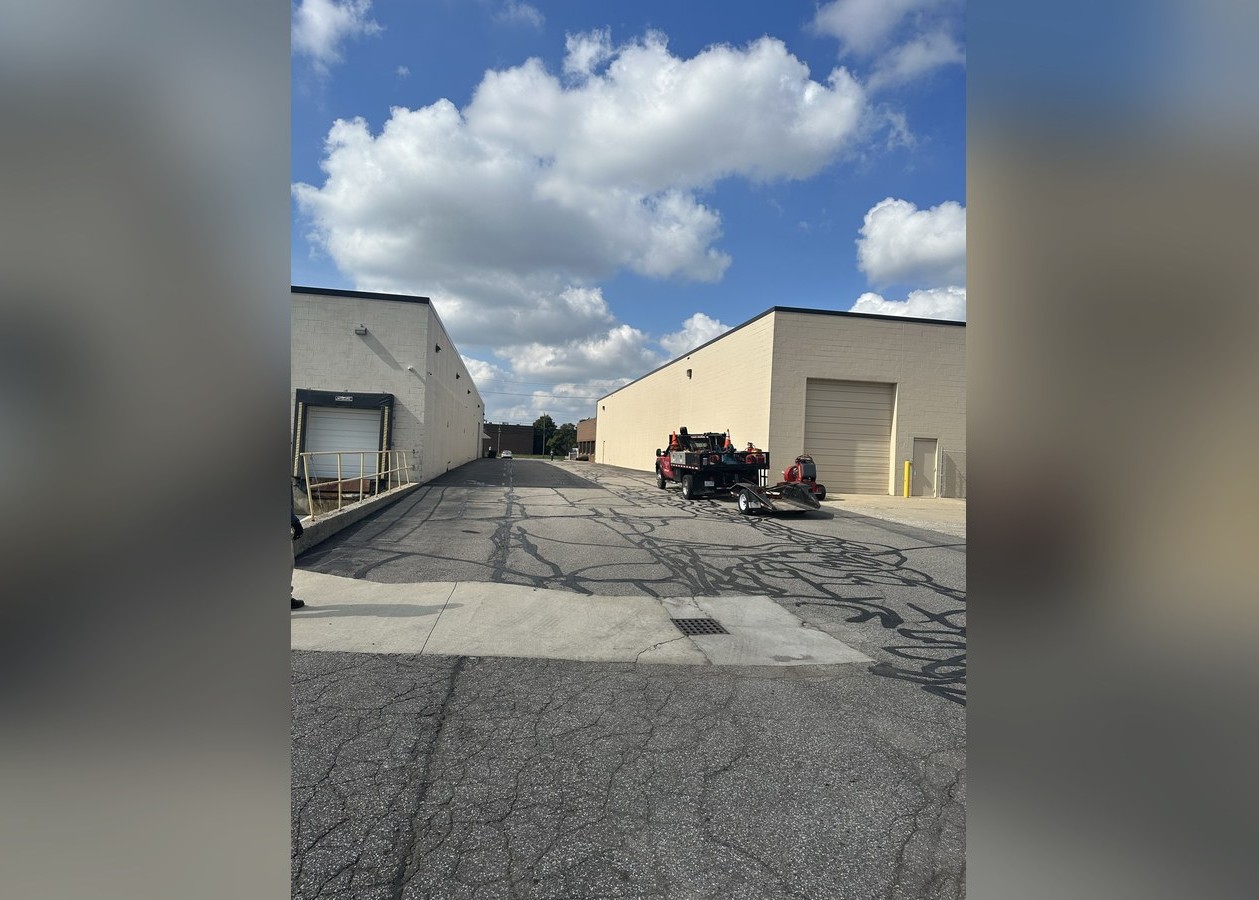
If the base under your lot is still solid and the damage sits in the top layer, commercial asphalt milling and a new overlay is usually the better buy. If the base has failed, only a full replacement will last.
Since 1979, our Troy, MI commercial asphalt contractors have helped property owners make this call before they spend a dollar on new pavement.
Here's how to tell which one your lot needs.
What a Mill and Overlay Involves
A milling machine grinds the worn top layer down to a set depth and leaves the base in place. A fresh layer of asphalt goes down over the milled surface, followed by new striping.
The Federal Highway Administration lists , a way to renew pavement without rebuilding it. That is why a mill and overlay usually costs less and takes less time than a full tear-out.
What Full Replacement Involves
Full replacement removes the pavement, corrects the base and drainage, and paves the lot again from the ground up. Pavement engineers treat rebuilding an entire pavement as .
It is a bigger project, but it is the only fix for a foundation that can no longer carry traffic. Our commercial asphalt paving crews handle both new construction and full replacements.
Start With the Base, Not the Surface
Two lots can look equally tired and need very different work. The deciding question is whether the base still supports the weight of cars and trucks.
Widespread alligator cracking is the clearest warning.
Pavement Interactive explains that this points to inadequate structural support, and crack sealing generally won't stop it. That is also the real cost of ignoring asphalt cracks: small surface problems turn into base problems.
When Milling Is the Better Fit
A mill and overlay works well when the trouble is mostly on top. Good candidates include:
- Surface cracks, ruts or faded, gray pavement
- Minor low spots where water collects
- Several old overlays that have built up over the years
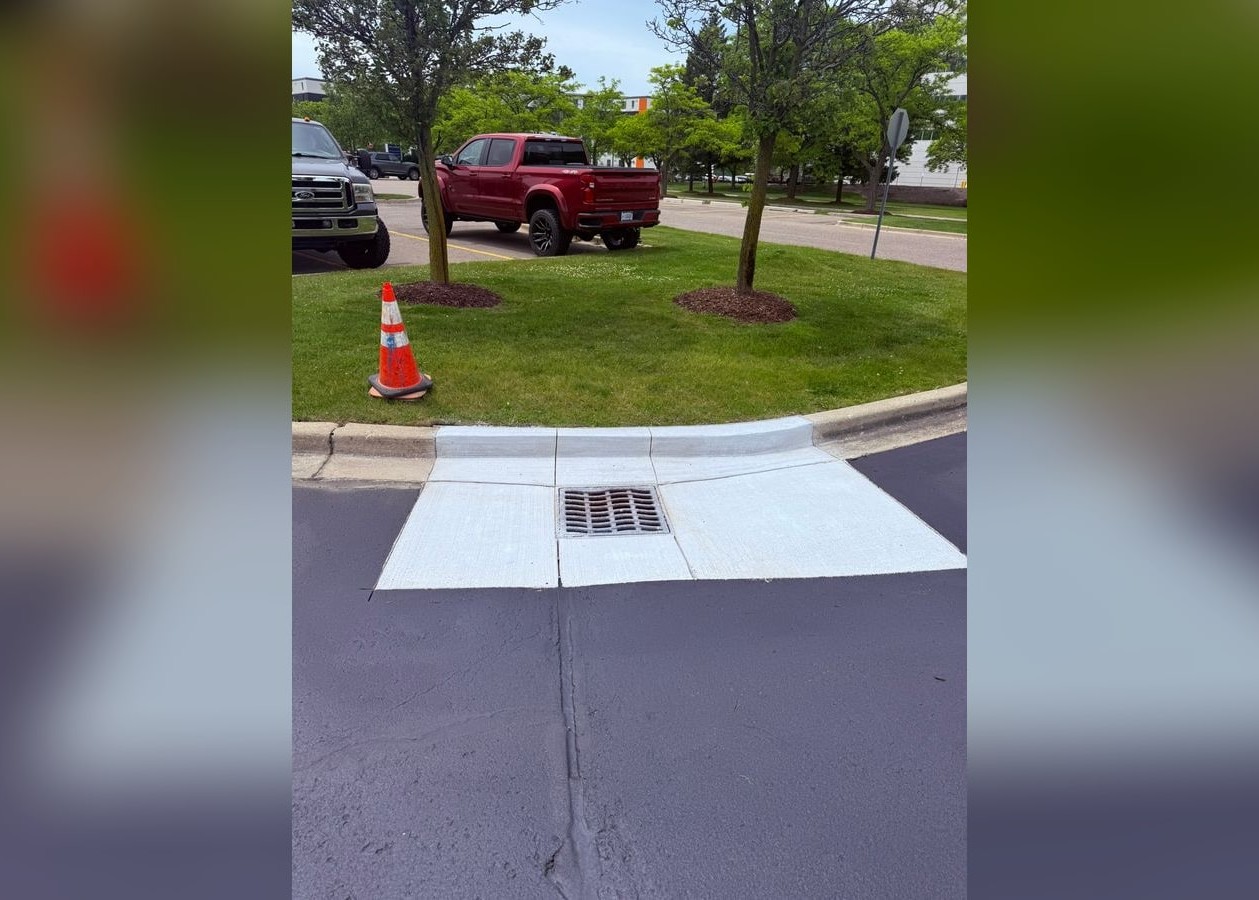
- Uneven transitions at sidewalks, drive lanes or ADA ramps
Milling can also adjust slopes, which helps when water drainage issues are wearing down the surface.
When Full Replacement Makes More Sense
Sunken areas, potholes across the lot and patches that keep failing usually mean the base is giving out. Laying new asphalt over a weak base only hides the problem for a season or two.
If your lot shows several of the signs it's time to repave, full parking lot paving is often the better long-term spend.
What Happens to the Old Asphalt
Milled asphalt doesn't go to a landfill. We reuse the milled material in new paving, which keeps waste and material costs down.
That is common across the industry. The National Asphalt Pavement Association reports that went back into use in 2024, about 101.4 million tons.
Get the Lot Evaluated First
Before choosing either path, have someone check the base, drainage and traffic loads in person. Our team evaluates those conditions before we lay any asphalt, and our full list of services shows how milling, repairs and paving fit together.
Frequently Asked Questions
Can a business stay open during a mill and overlay?
In most cases, yes, because the work can be phased so part of the lot stays open. American Asphalt Paving & Sealcoating coordinates phased closures so customers, tenants and employees can still park while crews mill and pave other sections.
Timing depends on the lot's size and layout, so ask for a phasing plan with your quote. Call American Asphalt Paving & Sealcoating at (248) 879-5900.
How long does a mill and overlay last?
A mill and overlay typically lasts about 10 to 15 years when the base underneath is sound. Traffic, drainage and how well the new surface is maintained all affect where a lot falls in that range.
The City of Richmond, California gives the same 10 to 15 year range for mill and fill on its public streets, where the road base is still intact.
Can milling fix water pooling in a parking lot?
Often it can, because milling can reshape grades and slopes so water runs off instead of sitting on the surface. That works for minor low spots where the base is still firm.
If water has already softened the base, the area may need deeper repair or replacement. Drainage structures such as catch basins may also need attention at the same time.
Does a parking lot need new striping after an overlay?
Yes, because the new asphalt covers every existing line and marking. American Asphalt Paving & Sealcoating follows the overlay with fresh line striping and pavement markings.
It is also a good time to rethink the layout. If traffic flow, space counts or accessible parking need changes, the blank surface after milling makes those changes simple to plan and paint.
Why mill first instead of paving over the old asphalt?
Milling first keeps the finished surface at the right height. Paving straight over old asphalt raises the lot each time, which can leave curbs, sidewalks and ADA ramps with uneven edges.
Milling removes worn material and old overlay build-up, so the new layer meets those edges at a smooth, level transition.
Plan Your Lot's Next Step
Choosing between a mill and overlay and a full replacement comes down to what is under the surface. Our Troy, MI paving and milling team will walk your lot and recommend the option that fits its condition and budget.
Call American Asphalt Paving & Sealcoating today at (248) 879-5900 or request a quote online.